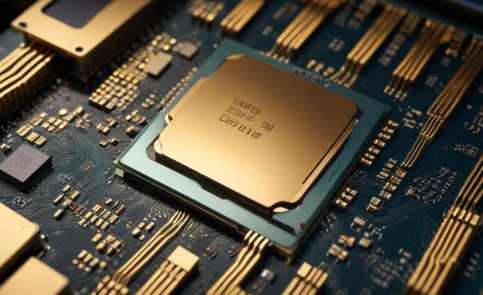
Role of Hardware in Computing

The role of hardware in computing is foundational, as it establishes the physical framework for data processing and storage. Key components, including the motherboard, CPU, and memory, collaborate to enable efficient instruction execution and communication. Performance is notably influenced by hardware specifications, which can be upgraded to meet evolving application demands. Understanding these elements is crucial for optimizing system functionality and preparing for future advancements in technology. What implications does this have for users and developers alike?
Understanding the Basics of Computer Hardware
Computer hardware serves as the foundational component of computing systems, encompassing the physical devices and machinery that enable data processing and storage.
Understanding computer architecture involves recognizing various hardware types, including input, output, storage, and processing units. Each type plays a critical role in the overall functionality, facilitating efficient operations and enhancing user autonomy within computing environments.
Mastery of these elements fosters a deeper appreciation of technology.
Key Components and Their Functions
The functionality of a computing system relies significantly on its key components, each serving distinct roles that contribute to overall performance.
Central to this architecture are the motherboard functions, which facilitate communication between the CPU and other peripherals.
The CPU architecture, characterized by its core design and processing capabilities, further enhances computational efficiency, ensuring effective data management and execution of instructions within the system.
The Impact of Hardware on Performance
While various factors influence computing performance, hardware components play a pivotal role in determining overall system efficiency.
Performance benchmarks illustrate the significant impact of specific hardware configurations. Upgrading components such as processors, memory, and storage can substantially enhance speed and responsiveness, enabling systems to meet demanding computational tasks.
Consequently, strategic hardware upgrades are essential for optimizing performance in diverse computing environments.
Future Trends in Hardware Development
As hardware continues to evolve, emerging trends are shaping the future landscape of computing systems.
Quantum computing promises unprecedented processing capabilities, enabling complex problem-solving beyond classical limitations.
Simultaneously, neuromorphic chips aim to replicate human cognitive functions, enhancing efficiency in machine learning applications.
Together, these advancements signal a transformative shift in hardware design, fostering innovative applications that prioritize adaptability and intelligence in computing environments.
Conclusion
In conclusion, hardware serves as the backbone of computing, facilitating communication, executing instructions, and enabling efficient data processing. Its components, from the CPU to memory, are intricately designed to enhance performance and responsiveness. As technology advances, understanding these elements becomes crucial for troubleshooting and upgrades. Embracing future trends in hardware development will empower users to maximize productivity, adapt to evolving demands, and leverage innovations that drive the next generation of computing capabilities.